AI in mobility
AI is becoming the operating layer of the vehicle, the fleet and the factory that builds them.
What we believe
Vehicles are becoming software-defined, fleets are becoming data businesses, and the engineering work that designs both is being done increasingly by AI agents. We think the largest value in this shift accrues to companies that own a workflow inside the industry, not to general-purpose tools that sit beside it. Bytebeam and Pulse Energy, which run on vehicle and charging data, sit at the edge of this mandate; the dedicated investments are still to come.
Regulation is accelerating this. Driver-assistance systems that were optional are becoming mandatory on new models and, from October 2026, on existing commercial vehicle models, which turns perception software into a compliance cost every OEM must pay.
What must happen next
- Indian scenario and validation data for driver-assistance systems, since Indian traffic does not appear in imported datasets.
- Vehicle and battery data made usable across OEMs, financiers and insurers.
- Engineering and homologation workflows re-built around AI agents rather than documents.
What we look for
- Verifiable AI differentiation: a model, a dataset or a workflow no one else has.
- At least one commercial deployment or signed letter of intent at the time of investment.
- A path to $1 million of annual revenue within 18 to 24 months.
We publish the detail of this thesis selectively. If you are building here, write to us.
What we have backed here

Writing on this theme
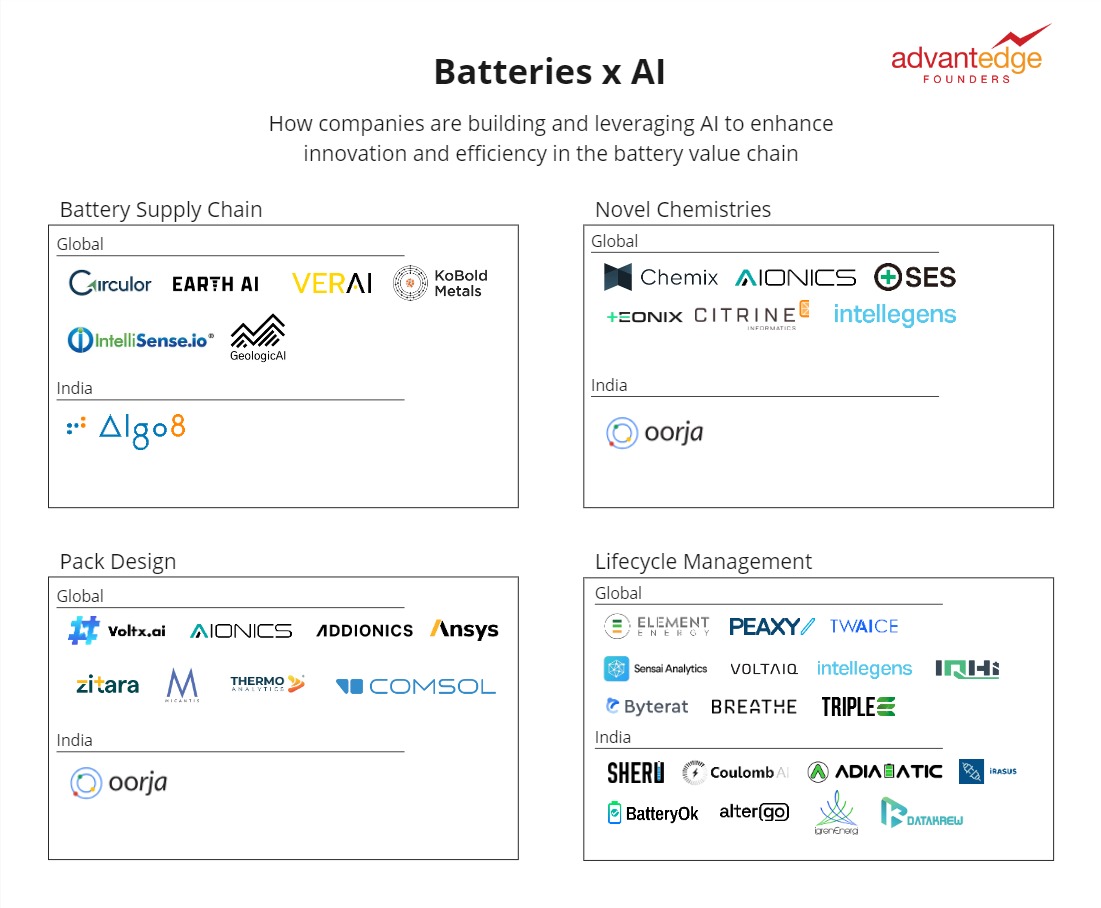
Battery intelligence: the missing layer in India's used EV market
India registers 2.5 million electric vehicles a year and has no trusted way to value the battery inside one. A grading standard for used commercial EVs would underpin resale, financing, insurance and second-life storage.
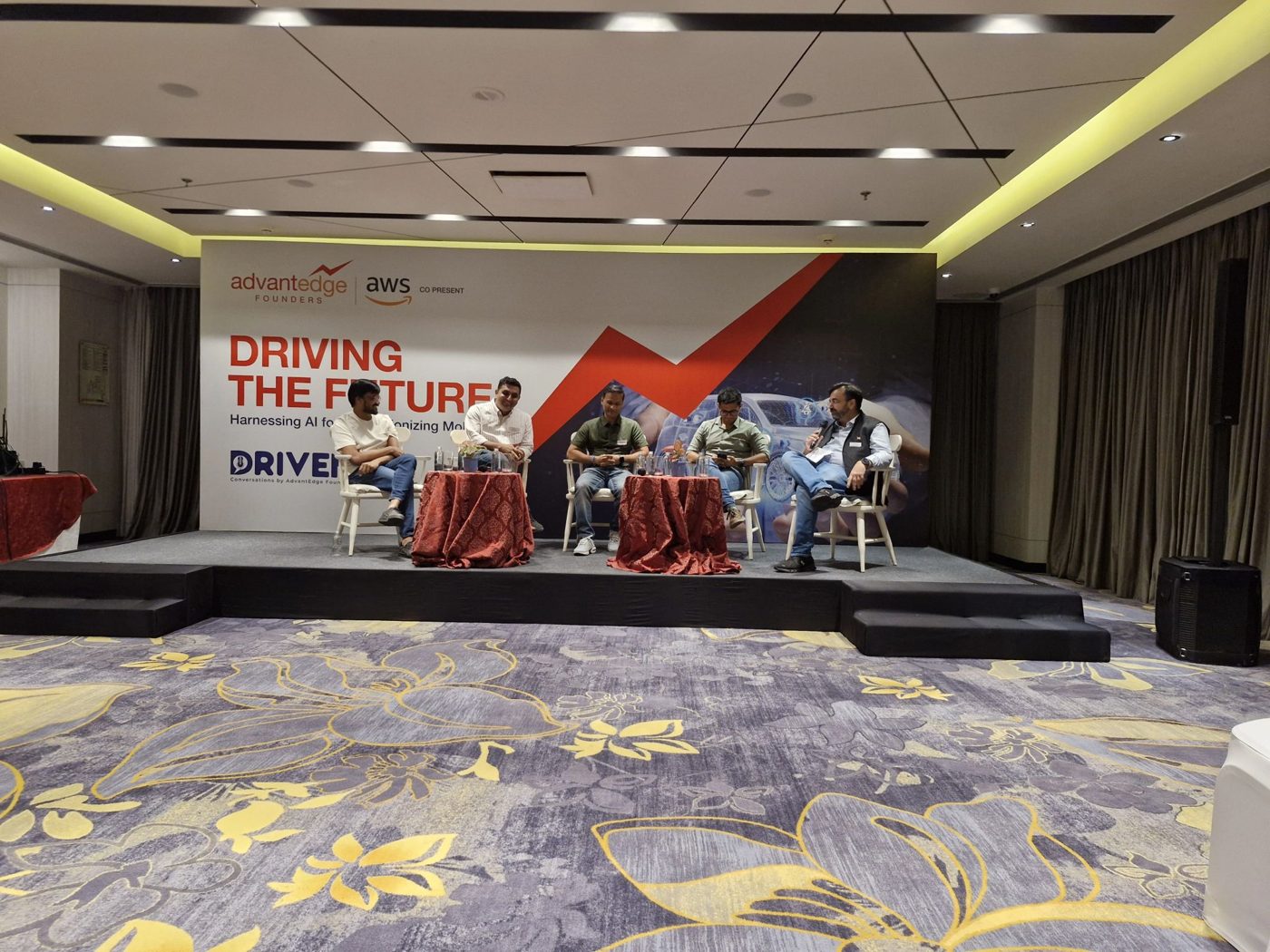
Driving the Future: AdvantEdge and AWS Session on AI for Mobility