
Energy and grid
Storage, grid software and the minerals underneath. Mobility electrifies only as fast as the grid that feeds it.
What we believe
The grid is becoming a software system. Renewables now set the marginal price of power for much of the day, battery storage is being tendered in gigawatt-hour blocks, and smart meters are turning distribution into a data business. The orchestration layer that sits on top of all this, forecasting, dispatch, trading, virtual power plants, barely exists in India at seed stage.
We came to energy through mobility. Exponent's chargers, Sheru's energy bank, Pulse's charging network and Zingbus's electric routes give us demand-side data on how vehicles draw power, and that data is where the investable software lives.
Source: Ministry of Power, Revamped Distribution Sector Scheme review.
Source: Ministry of Power, Revamped Distribution Sector Scheme progress data, 2026.
What must happen next
Storage has crossed the cost line: viability gap funding of ₹18 lakh per megawatt-hour under the June 2025 tranche, with a 20 percent domestic content rule, creates a protected component market for the first time. Distribution utilities, still the weakest counterparty in the system, have to keep converting loss reduction into cash. And the supply chain under the battery has to be built at home: the National Critical Mineral Mission and the PLI scheme for cells are the policy side; exploration, refining and recycling are the company side.
What we look for
- Grid-edge software with a customer who is not a state utility: commercial and industrial buyers, traders, charging networks.
- Battery diagnostics and second-life businesses with a proprietary way to grade a pack.
- Components that qualify under domestic content rules.
- Exploration and processing technology for the minerals batteries and motors need.
What we pass on
Project development. Cell gigafactories. Storage integration against Tata, Reliance and Chinese integrators, where a seed-stage company has no realistic route to winning.
What we have backed here

Writing on this theme
Why we invested in Endless Machines
India makes electric vehicles and imports the power electronics inside them and inside every charging station. Endless Machines is building that layer at home, starting with a rectifier that survives the Indian grid.
Battery intelligence: the missing layer in India's used EV market
India registers 2.5 million electric vehicles a year and has no trusted way to value the battery inside one. A grading standard for used commercial EVs would underpin resale, financing, insurance and second-life storage.
Grid software: the layer India's energy transition has not yet built
Battery storage is being tendered by the gigawatt-hour, five crore smart meters are installed and distribution losses are falling. The hardware is being bought; the software that decides when it runs barely exists in India at seed stage.

The Core Report: Rare Earth Crisis, Can India Build EVs Without China's Critical Magnets?
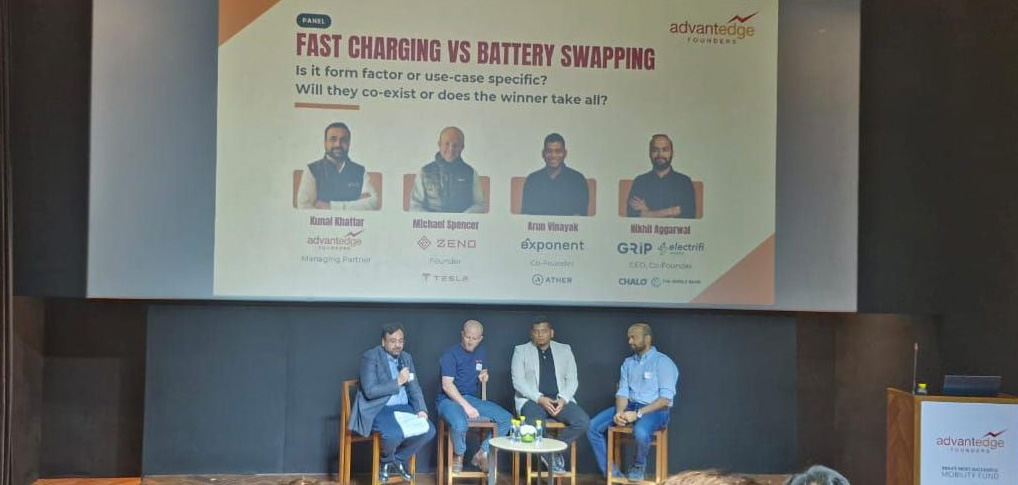
AdvantEdge Founders Annual Mixer 2024: EV Leaders Debate Fast Charging and Battery Swapping
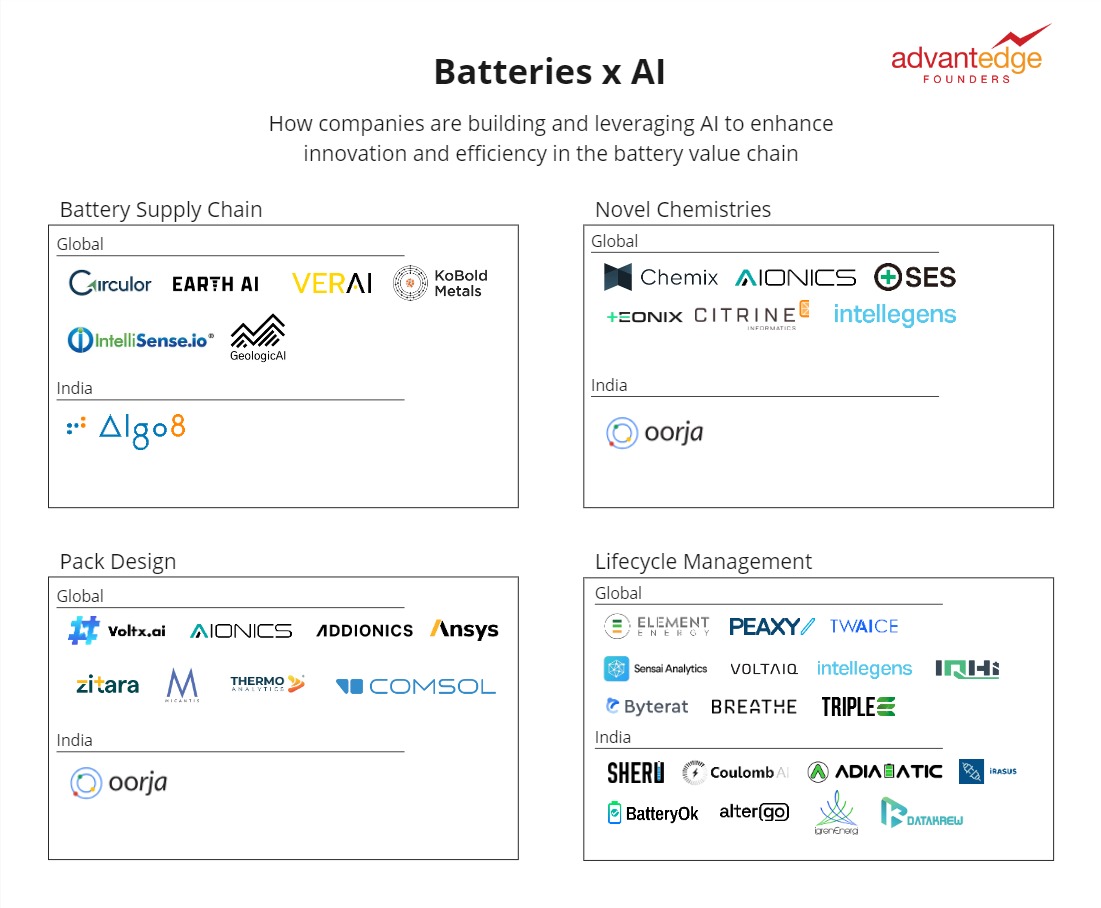
Batteries x AI

Times of India: Storage, the next energy revolution
Inc42: How Lithium Deposits Can Build India's Electric Vehicle Stack
