Moving people and goods
Where AdvantEdge started. Shared mobility, buses, logistics and the software that runs them.
What we believe
Logistics is about 8 percent of India's GDP, larger than most of the sectors it serves, and the way people get to work sets the productivity of every city. This is the part of the economy we understood first, and it is where our largest outcomes so far have come from.
The pattern that worked for us was the same each time: a mode of transport that fits how Indian cities actually move, a software-only model that leaves the vehicles with the people who already own them, and founders who kept unit economics ahead of growth. Rapido put two-wheelers, the dominant vehicle in every Indian city, on a marketplace. Chalo digitised the bus, the largest passenger mode in the country. Zingbus made inter-city travel bookable and reliable.
What must happen next
The next decade of this theme is less about aggregation and more about the vehicle itself changing underneath the platform. Shared fleets electrify first because a vehicle that runs 120 kilometres a day pays back an electric drivetrain in months, not years. Freight moves on to corridors and multi-modal networks as the Dedicated Freight Corridors and the National Logistics Policy take effect. And the software layer gains a second job: managing energy, not just trips.
What a commercial two-wheeler spends on energy
Fleets electrified first because the running-cost comparison favoured it. Set the daily distance and prices for a delivery scooter and compare petrol with electricity.
Energy cost only. It excludes the vehicle price, financing, battery replacement, maintenance and downtime, which is why we ask founders for a full total cost of ownership rather than a fuel comparison. Defaults are typical of an Indian delivery scooter in 2026; change them to your own numbers.
What we look for
- Commercial use cases before consumer ones. A small share of vehicles accounts for most of the distance travelled and energy consumed, and that is where the spending is.
- Recurring touchpoints. Park+ turned parking into a relationship with 6 million cars.
- Categories where the incumbent is analogue, not another startup.
- We ask every founder in this theme the same question: what remains defensible once a large platform launches the same feature?
What we pass on
Business-to-consumer vehicle brands that need a capex-heavy plant and a marketing budget to compete with Bajaj, TVS and Hero. Fleet-management dashboards without proprietary data. Anything whose only route to scale is subsidised demand.
What we have backed here


Writing on this theme

The CapTable: Kunal Khattar on Finding the Next Rapido

Outlook Business Escape Velocity ft. Kunal Khattar: Rapido's Unit Economics, India's Hardware Renaissance and China's EV Dominance

Kunal Khattar in Forbes India: Why Commercial Mobility Is Driving India's EV Shift

The Morning Context: How India's carpooling experiment ran out of road

The HinduBusinessLine: A leg-up for asset-light disruptors

The Arc: Uber India's new bets: Rapido-style bikes, Porter-like logistics

Outlook Business: India Can't Copy China's Playbook to Become an EV Hub

Outlook Business: Rapido Flips the Formula of India's Consumer Tech Unicorns to Disrupt the Uber-Ola Duopoly

DRIVEN Episode 1 ft. Prashant Kumar: India's EV Future, Building Zingbus and $10M Funding Secrets
In the inaugural episode of DRIVEN, AdvantEdge Founder Kunal Khattar rides with Zingbus Co-Founder Prashant Kumar to discuss the future of EV mobility in India, how to scale a startup, and the secrets behind their $10M funding.

Why AdvantEdge is Backing Bike Taxis and Delivery Scooters, Not Private Electric Cars

The Morning Context: The intercity bus bet by Indian startups is having its moment
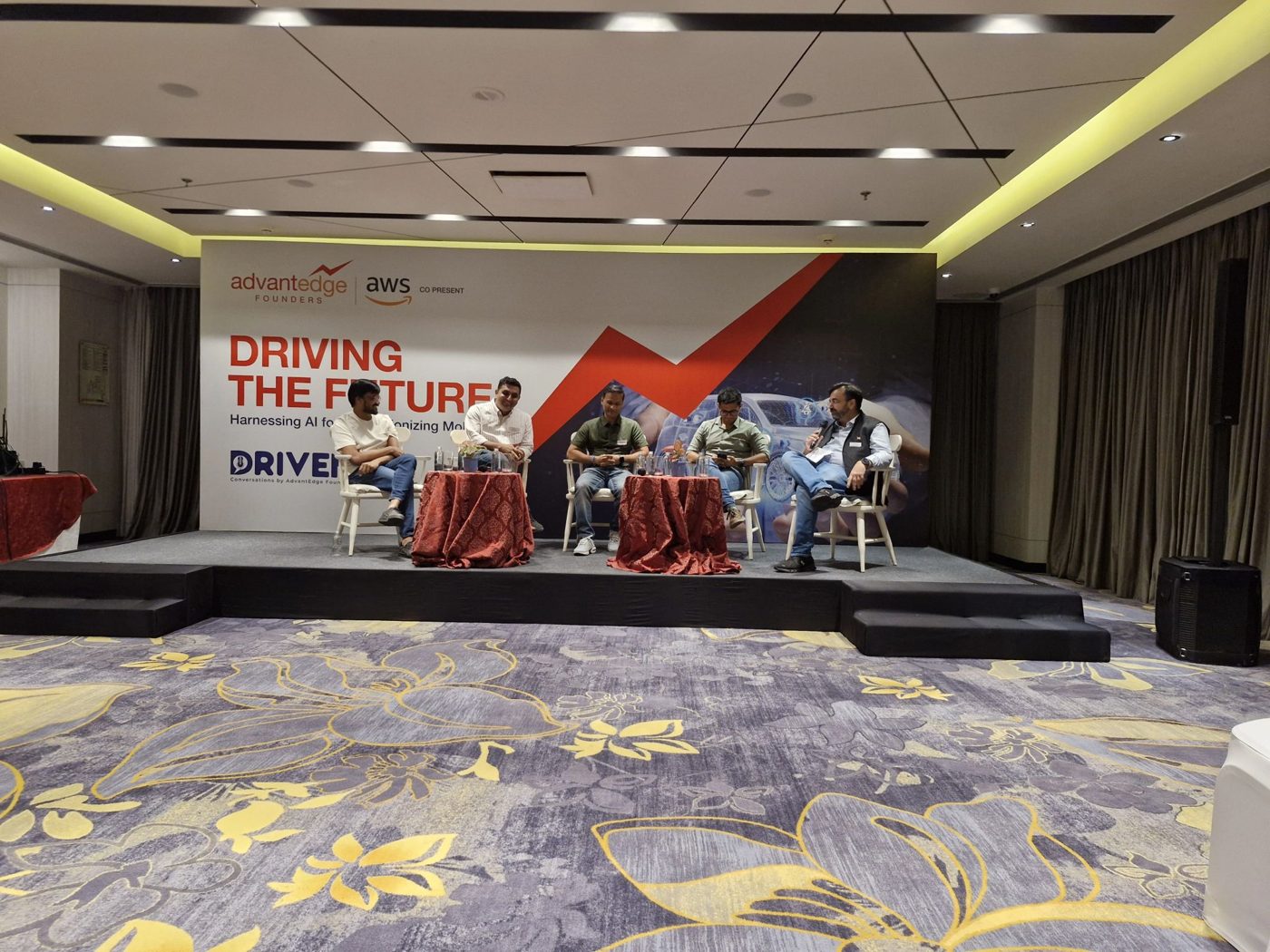
Driving the Future: AdvantEdge and AWS Session on AI for Mobility

Forbes India: Ola, Uber, Rapido: How cab aggregators are responding to subscription vs commission model

Why I wrote the first cheque for Rapido

JarXchange ft. Kunal Khattar: Will Karnataka's Bike Taxi Ban Lead to 6 Lakh+ Job Losses?

Outlook Business: India's Green Commute Slows Down as EV Cabs Lose Spark

Inc42: Rapido At 10, The Ride To The INR 1,000 Cr Club

Inc42: Electrifying Inter-City Mobility

Inc42: VC Firm AdvantEdge To Take Bet On Mobility Solution Startups With Its $100 Mn Fund
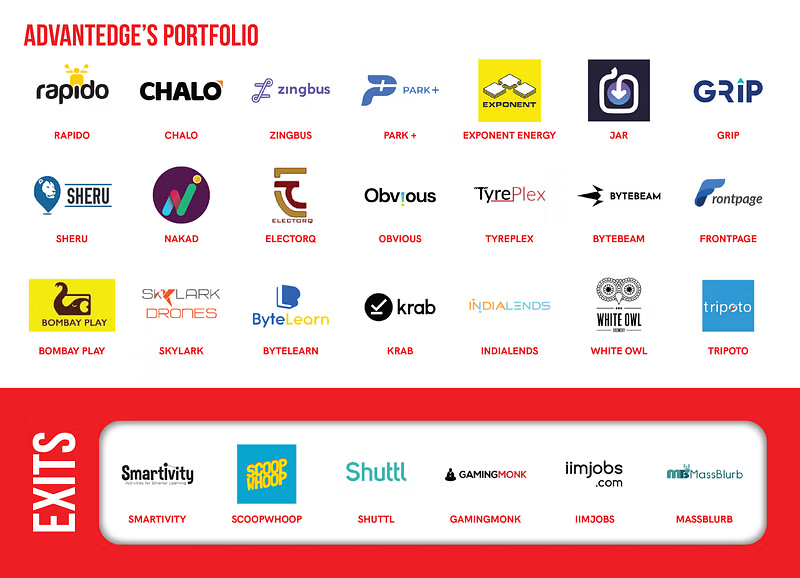
YourStory: Rapido-backer AdvantEdge unveils $100m Fund III to take bets on e-mobility

AdvantEdge Mobility Podcast: EV Financing in 2023

VCCircle: VC Firm AdvantEdge To Take Bet On Mobility Solution Startups With Its $100 Mn Fund
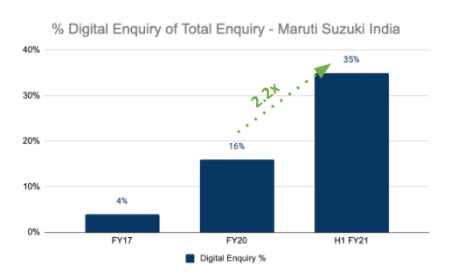
How Car Dealerships Will Evolve in India

AdvantEdge Mobility Podcast: Tesla is Entering India

The AdvantEdge Mobility Podcast: Intro